

The decision to remove the traditional 3.5mm headphone jack from the iPhone 7 sparked intense debate among technology enthusiasts, audiophiles, and everyday users. This change represented one of the most controversial decisions in iPhone history, marking the beginning of a transition toward wireless audio and alternative connection methods. The removal of this port, which had been standard on mobile devices for decades, required users to adapt to new audio technologies.
I. The Most Controversial Rumor
Rumors about removing the headphone jack circulated for months before Apple’s official announcement, with reliable sources confirming that Apple was seriously considering this change. The 3.5mm audio port had remained standard on mobile devices for over a century, making its removal a significant departure from tradition. Tech publications and forums were filled with speculation about whether Apple would actually follow through with this change.
The user backlash began even before the official announcement, with online petitions and social media campaigns urging Apple to retain the headphone jack. Many users viewed the change as inconvenient and unnecessary, arguing that the existing port worked well and didn’t need to be replaced. The controversy demonstrated how deeply users had integrated the standard headphone into their daily routines.
Despite the controversy, Apple’s history of removing legacy ports (like the floppy drive and optical drive in Macs) suggested that the company was willing to make unpopular changes if they believed the long-term benefits justified the short-term inconvenience. This historical context helped frame the debate about the headphone jack removal.
II. The Alternatives
Apple presented multiple alternatives to replace the traditional headphone jack, each with distinct advantages and disadvantages that affected user adoption.
Audio Through the Lightning Port: Pros and Cons
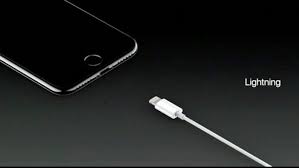
The Lightning port provides several advantages over the traditional headphone jack, including power delivery for active headphones and digital audio transmission. This allows for more sophisticated headphones with built-in amplifiers, equalizers, and other processing capabilities. The digital connection also enables headphones to access data from the iPhone, such as audio settings and battery levels.
However, using the Lightning port for audio creates a significant inconvenience: users cannot charge their iPhone and listen to audio simultaneously without a special adapter. This limitation was particularly problematic for users who needed to charge their devices during long flights, commutes, or other extended use periods. Apple addressed this by including a Lightning to 3.5mm adapter in the iPhone 7 box.
Wireless Audio: Pushing Users Towards Bluetooth Headphones and Apple’s “AirPods”
Apple encouraged users to adopt wireless Bluetooth audio as the primary alternative to traditional headphones. This approach eliminates the need for physical ports entirely and provides greater convenience for users who frequently move between devices. Wireless audio also eliminates cable-related issues like fraying and tangling.
Apple simultaneously introduced its “AirPods,” wireless earbuds that automatically connect to Apple devices. These earbuds represent Apple’s vision for the future of mobile audio and provide seamless integration with iOS features. However, they require a significant investment and may not appeal to users who prefer traditional in-ear or over-ear headphones.
The Included Adapter: Will Apple Provide a Lightning-to-3.5mm Dongle in the Box?
Apple included a Lightning to 3.5mm adapter in the iPhone 7 box to ease the transition for users with existing headphones. This adapter allows users to continue using their traditional headphones with the iPhone 7, though it requires occupying the Lightning port for both charging and audio simultaneously. The adapter provides a temporary solution while users adapt to new audio technologies.
III. Apple’s Rationale: “Courage”
Apple officially framed the headphone jack removal as an act of “courage,” indicating its commitment to advancing technology even at the cost of short-term user inconvenience.
Freeing Up Internal Space for Other Components
Removing the headphone jack freed up valuable internal space within the iPhone, allowing Apple to accommodate other components like a larger battery, improved speakers, or additional sensors. This extra space also enabled Apple to improve water resistance by eliminating a major opening in the phone’s case. The space savings were particularly important as Apple worked to maintain thin device profiles while improving other features.
Pushing the Industry Towards a Wireless Future
Apple’s decision to remove the headphone jack served as a catalyst for the entire industry to move toward wireless audio solutions. By demonstrating that a major manufacturer would remove the traditional port, Apple accelerated the adoption of Bluetooth audio and other wireless technologies. This industry-wide shift has led to improvements in wireless audio quality and convenience.
IV. What It Means for You
The removal of the headphone jack has immediate practical implications for users and their existing audio equipment.
The Immediate Impact on Existing Headphones and Audio Equipment
Users with existing headphones needed to decide whether to purchase adapters, new Lightning-compatible headphones, or wireless alternatives. This transition cost created additional expenses for users who were satisfied with their existing audio equipment. The change was particularly challenging for users who owned expensive high-fidelity headphones designed for the traditional 3.5mm connection.
The headphone jack removal also affected accessories like car stereos, airplane entertainment systems, and computer speakers that were designed for the 3.5mm connection. Users needed to find alternative solutions for connecting their iPhone to these devices, often requiring additional adapters or wireless connections.
Over time, the industry has adapted to Apple’s decision, with most manufacturers now designing smartphones without headphone jacks. This widespread adoption has reduced the inconvenience of the transition, though it has also made it more difficult to find new smartphones with traditional headphone connections.